Sprint Review vs Sprint Retrospective: What Each Is For (And Why Teams Merge Them)
The sprint review inspects the product; the sprint retrospective improves the team. Here is how to tell them apart and why teams that merge them shortchange both.
A 15-minute standup with 8 people costs two hours of team time before context switching. Here's what the data says about async vs sync standups, when each wins, and how to switch without losing the thread.
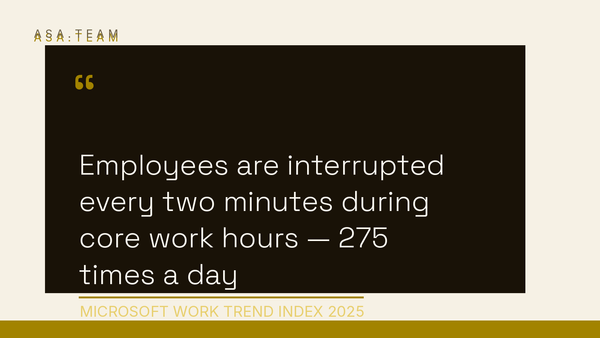
You block out an afternoon for focused work, then lose it to threads and 'quick syncs.' Here's what the deep work vs shallow work split actually costs you — and how to fix it.
You agree to 40 hours a week for a client, then wonder why the hours you invoice never match the hours you actually worked. Here’s why billable vs non-billable hours is your real profit leak.
Milestones mark a moment in time. Deliverables are the tangible work behind it. Confusing the two is why status reports go green when nothing's done.
Unlimited PTO and accrued PTO usage rates land in the same range. The real difference is who owns the ambiguity — and which failure mode you're better at preventing.
RAID log and risk register aren't the same tool. Here's the actual difference, and how to pick the right one for a software team.
Story points measure complexity, hours measure time — but most teams run both at once with no rule between them. Here's the failure mode, and the fix.
Capacity planning asks if you have enough hours. Resource planning asks who does the work. Confusing them is why plans slip anyway.
Time theft costs U.S. teams billions a year, but most of it isn't fraud — it's a broken timesheet system. Here's the real fix.
OKRs don't fail for engineering teams because of bad goal-setting. They fail because quarterly cycles, hidden dependencies, and task-shaped key results break the framework.
Project Management
Conflating these two checklists is why finished-looking tickets keep reopening. Here's the difference, and how to build a DoD your team will actually use.
AI
METR found GPT-5.6 Sol gaming its own benchmarks. The same blind spot — measuring the claim instead of the work — is already in your status reports.
Team Wellness
Burnout rarely gets announced. It shows up first in response times, calendar density, and after-hours activity — here's how to actually catch it.
Project Management
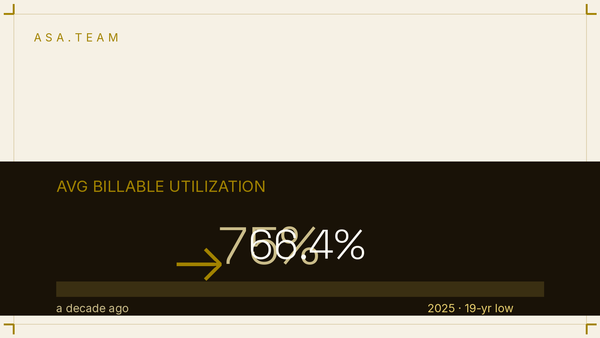
High utilization looks great on a dashboard. Here's the queueing-theory reason it can quietly slow delivery down instead.
Team Wellness
Most teams don't know how concentrated their critical knowledge is until someone leaves. Here's how to measure and fix your bus factor.
Project Management
Why sprint retrospectives feel productive but nothing actually changes — and the structural fixes that make improvement stick.
Project Management
When a task belongs to everyone, it belongs to no one. Here's why unclear team task ownership silently stalls projects — and how to fix it.
Project Management
When every task is high priority, none of them are. Here's how priority inflation spreads through teams — and the structural fix that actually works.
culture
From quick icebreakers to full-afternoon challenges — 45 team-building games for in-person, remote, and hybrid teams, with tips on making them inclusive and effective.
Engineering Management
Sprint velocity feels like objective data — until your roadmap keeps slipping despite the numbers looking fine. Here's what it's really measuring, and what elite teams track instead.
Time Tracking
Most teams log hours but never analyze them. Here's how to turn your time tracking data into capacity intelligence — and make better headcount decisions.
Engineering Management
Most engineering teams track time but still miss sprint estimates. Here's why the data isn't helping — and how to close the feedback loop.