What Percentage of Companies Use Project Management Software? The Real Adoption Numbers
What percentage of companies use project management software? The number you'll see in most pitch decks is 88% of organizations. It sounds like the market is saturated — everybody has a tool, the problem is solved.
What percentage of companies use project management software? The number you'll see in most pitch decks is 88% of organizations. It sounds like the market is saturated — everybody has a tool, the problem is solved. Then you sit in a weekly status call where the project tracker is an Excel file and the real updates live in three chat threads, and you wonder which reality the statistic came from.
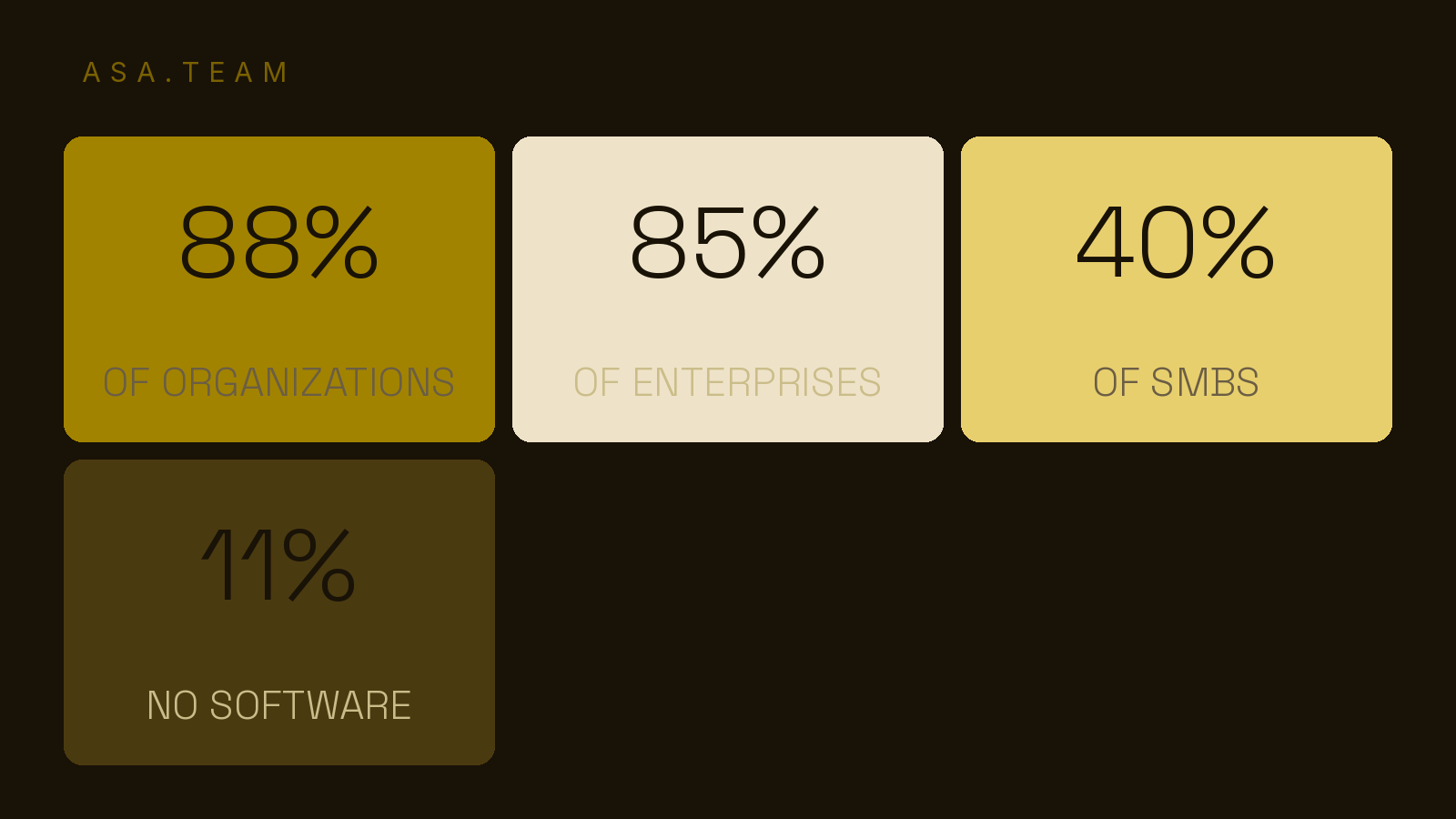
The truth is more useful than the marketing number. When you ask what percentage of companies use project management software, the answer splits by who you count: 88% of all organizations use one, 85% of enterprises planned to by 2025, but only 40% of small businesses use one for client delivery — and 21% of teams still run projects on spreadsheets while 11% of organizations have no project management software at all. Adoption is high at the top and shallow everywhere else, and it has not fixed delivery: only 31% of projects finish on time, on budget, and on scope.
This post gives you the real adoption numbers, the segments behind them, and the uncomfortable gap between having a tool and getting a project update worth reading.
The Headline Number: 88% of Organizations Have Project Management Software
The most commonly cited figure comes from industry-stat roundups aggregating survey data: over 88% of organizations use project management software, according to the 2026 project management statistics compiled by Electroiq. That number gets quoted because it is big and confident, and it matches what the market looks like from the top: global users reached 78.4 million in 2023, up 12% from the prior year, with Worldmetrics reporting that 85% of enterprises planned to use project management software by 2025.
The money agrees. The project management software market was roughly $9–10 billion in 2025, with most research firms projecting double-digit growth into the 2030s — Doitify's 2026 breakdown puts The Business Research Company's estimate at $9.14 billion in 2025 growing to $16.87 billion by 2030, while Voxbooster's 2026 roundup cites Mordor Intelligence at $11.27 billion in 2026 heading to $23.09 billion by 2031. Every major analyst expects the category to roughly double this decade.
So the first honest answer is: a high percentage of companies use project management software — most estimates land between 85% and 88% for organizations overall. But that aggregate hides where the adoption actually lives.
By Company Size, the Number Collapses
Enterprise and SMB adoption are different stories. Worldmetrics reports that 85% of enterprises planned to use project management software by 2025, while only 40% of SMBs use project management software for client delivery. The pattern makes sense: enterprises have the headcount of PMs and the procurement budget to standardize on a platform, while a 15-person agency bills by the hour and often decides the spreadsheet is fine.
The tool market reflects that split. Jira is the leading tool at roughly 42% of teams, followed by Microsoft Project and Kanban boards like Trello, per Electroiq — but the long tail of tools is enormous, and many teams run a board in one platform, documents in another, and status updates in chat. That fragmentation is exactly where the "everybody has project management software" story stops being comforting — the same sprawl that makes the average company juggle dozens of apps, as we covered in our tool-sprawl benchmark post.
| Segment | Adoption of project management software | Source |
|---|---|---|
| All organizations | 88% use it | Electroiq, 2026 roundup |
| Enterprises | 85% planned to use it by 2025 | Worldmetrics, 2026 |
| SMBs | 40% use it for client delivery | Worldmetrics, 2026 |
| Teams still on spreadsheets | 21% run projects in spreadsheets | Wellingtone via Voxbooster, 2025 |
| Organizations with no PM software at all | 11% have nothing | Wellingtone via Voxbooster, 2025 |
Add the bottom of the table to the top and you get the accurate sentence: about 9 out of 10 organizations have bought project management software, but at least 1 in 5 teams still runs its real project work in a spreadsheet, and more than 1 in 10 organizations hasn't bought anything. The license is on the invoice; the practice never left the status quo.
Adoption Is Not Usage, and Usage Has Not Fixed Delivery
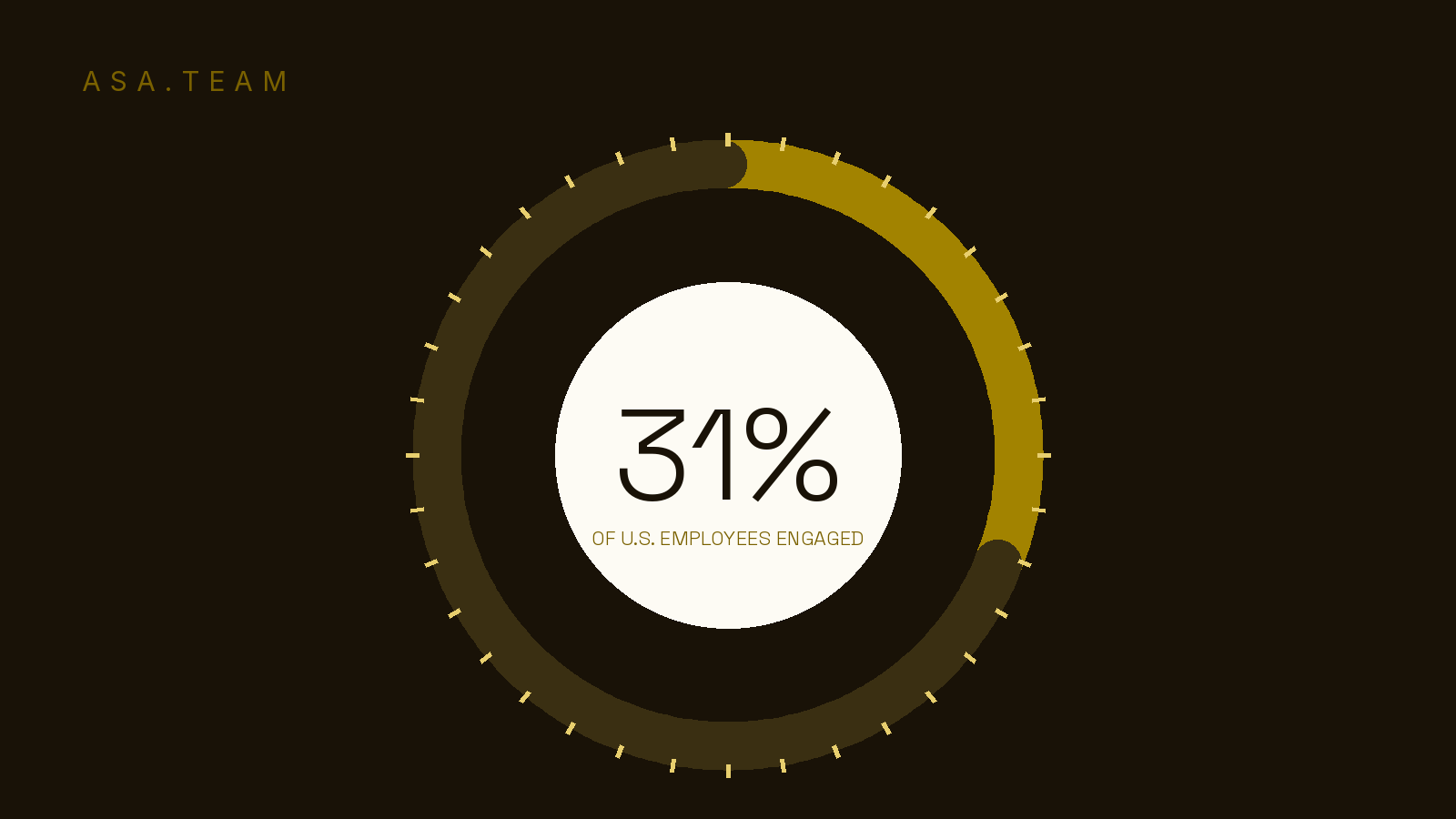
Here is the number that matters more than the adoption percentage: only 31% of projects are delivered on time, on budget, and on scope, according to Wellingtone's State of Project Management 2025 research cited in Voxbooster's roundup. The same research line found 41% of projects run without any defined methodology, and Wellingtone's earlier work (via monday.com's 2026 statistics page) shows only 36% of organizations mostly or always finish on budget and only 49% mostly or always deliver on time.
Why doesn't a tool that nearly everyone owns move those numbers? Three reasons, all grounded in the research — and they echo the same pattern we found when looking at how often projects fail from poor communication:
- Licenses are not users. Doitify's analysis is blunt: "many seats are paid for but used sporadically," and "a license count is not the same as real usage." A tool that nobody opens produces no measurable benefit — adoption gaps explain most failed rollouts better than any product deficiency.
- Daily use is lower than ownership. Worldmetrics reports that 60% of workers use project management software daily — meaning 40% of the people with access are not using it as their working system.
- The reporting tax survives the tool. 42% of PMOs lose at least one full day a month compiling reports by hand, and nearly three-quarters of practitioners (72%) spend half a day or more every month manually collating project reports. The software holds data; the status update still gets re-typed into a slide.
The tools do work when actually used: companies using them complete 61% of projects on time versus 41% for non-users, per Electroiq. But that 20-point advantage requires real adoption, and the average picture — 88% ownership, 60% daily use, 31% on-time delivery — is a story about a tool being present, not about project status being visible.
Adoption is measured in licenses. Project intelligence is measured in whether anyone actually knows what is happening this week.
What Good Looks Like
The teams that escape the 31% trap do something boring and effective: they make status a byproduct of work instead of a separate report. Updates get captured where people already communicate — in the tools they use daily — rather than in a tracker that only the project manager opens on Friday afternoon.
That's the gap the raw adoption statistics miss. A company can be at 88% on the purchase side and still lose every update in a chat thread — the same way project updates get lost in Slack — because the project management software and the actual conversation live in different places. This is where a tool like Asa.Team's Project Intelligence fits: it surfaces project updates from Slack, Teams, Telegram, and WhatsApp, so leaders see the real status without asking for another report and without manually stitching chat threads into a tracker. The project picture comes to you — the updates your team already writes become the status update.
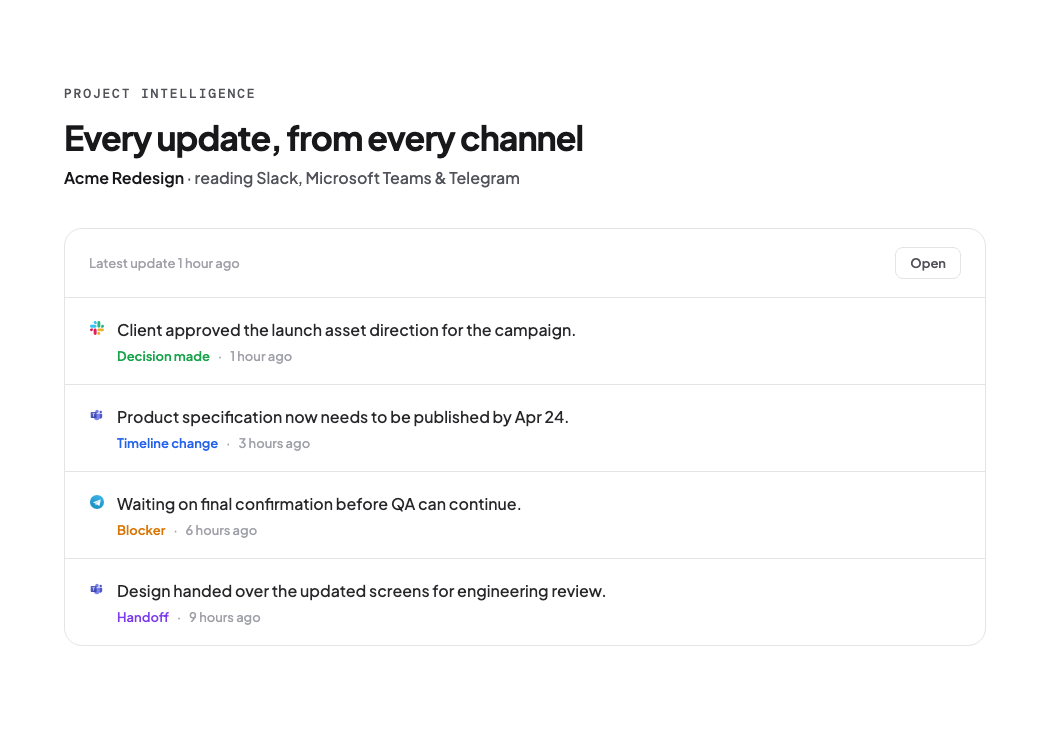
Good looks like this: one place that answers "what is actually happening on this project," assembled from channels your team already uses, with no weekly status-meeting tax and no hand-built report. The tool that passes the 31% test is the one that makes status automatic — not the one with the most seats paid for.
Frequently Asked Questions
What percentage of companies use project management software? Around 88% of organizations use project management software, per 2026 industry-stat roundups, and 85% of enterprises planned to adopt it by 2025. Adoption drops sharply for small businesses — only about 40% of SMBs use it for client delivery — while 21% of teams still run projects in spreadsheets and 11% of organizations have no project management software at all.
Why do adoption statistics vary so widely? Because definitions differ. Enterprise-first surveys report 85–88% adoption, SMB-focused surveys drop to 40%, and surveys of project professionals see 21% still on spreadsheets. "Has a license" and "uses it daily" are different numbers — Worldmetrics puts daily usage at 60% of workers.
Does using project management software improve project success? Yes, when it's actually used — companies using tools complete 61% of projects on time versus 41% for non-users. But overall only 31% of projects deliver on time, on budget, and on scope, largely because adoption is shallow and status still gets re-reported by hand.
Why hasn't high adoption fixed project delivery? Because licenses aren't usage, daily use sits at 60%, and the manual reporting tax survives the tool — 42% of PMOs lose a full day a month compiling reports by hand. The bottleneck moved from having a tool to having visible, current project status.
The Number That Matters Now
The question "what percentage of companies use project management software" now has a stable answer — roughly 88% of organizations, with the caveats above — and that answer is no longer the interesting one. The interesting number is 31%: the share of projects delivered on time, on budget, and on scope. We've solved the ownership problem and left the visibility problem in place.
When you evaluate your own stack, stop counting licenses and start counting status. Do the people leading your projects know what happened this week without opening a spreadsheet, re-typing a report, or scrolling three chat threads? If the answer is no, the fix is not another project management tool — it's making the updates your team already writes do the reporting. That, more than the adoption percentage, is the benchmark that decides whether your projects actually land.