How Many Meetings Are Too Many? Benchmarks by Role, Explained
The number of meetings on your calendar matters less than how they sit in your day. Here's the data-backed benchmark for meeting load by role — and the signals that your team has crossed the line.
It's 10:41 on a Tuesday and you've been in four meetings. Not back-to-back full afternoons of them — just four calls spread across the morning and afternoon, each one short enough that it "doesn't really count." Between them you answered threads, revisited a design brief twice, and started three tasks you haven't finished. Now it's nearly 5pm and the thing you actually needed four hours of uninterrupted time for hasn't been touched. Nobody scheduled a bad meeting. The calendar just filled up.
Here's the uncomfortable pattern most team leads feel but can't name: how many meetings are too many matters far less than how they sit in a day. You can be in too many meetings and still feel like you don't have a meeting problem, because each one looked reasonable on its own. The question deserves a real, data-backed answer — and in 2026, it turns out there is one. It's not a single magic number; it's a benchmark you compare your own calendar against.
This guide unpacks what the data says about meeting load by role, when meetings start destroying focus and output, and how to build a calendar that gives coordination its due without hollowing out real work.
How many meetings per week is too many? The benchmarks by role
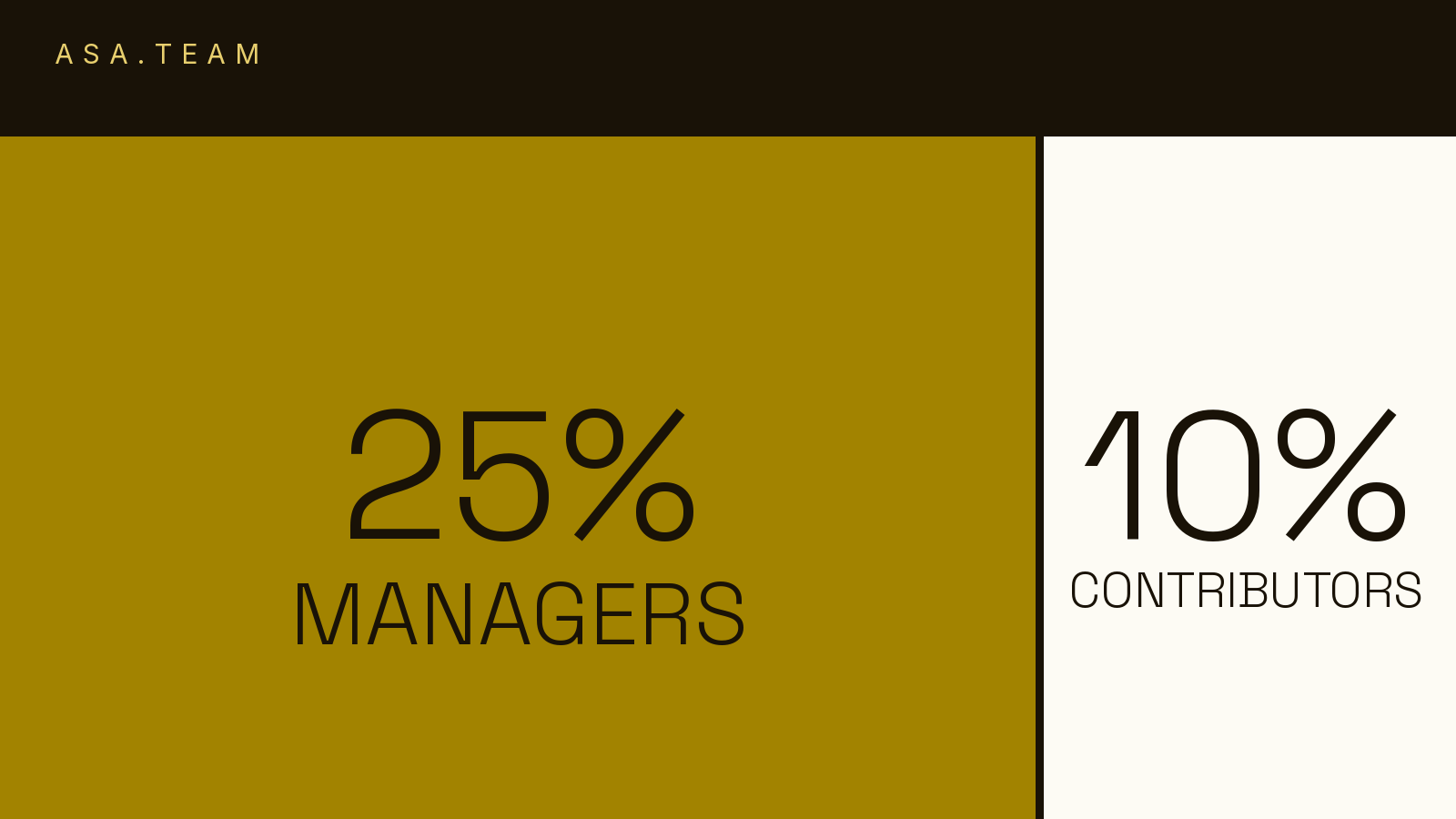
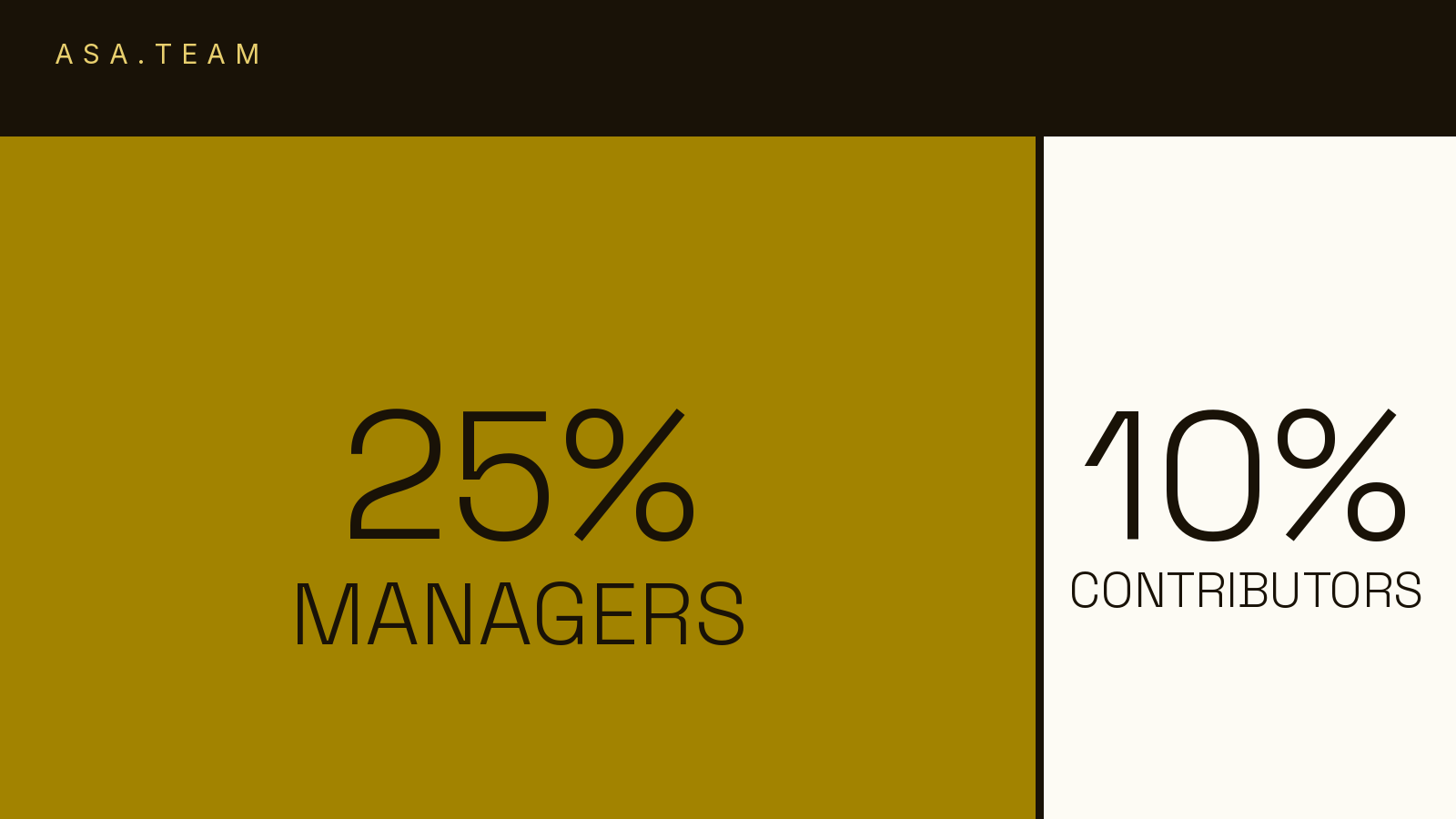
The honest answer, according to time-tracking platform Hubstaff's 2026 Global Trends and Benchmarks Report, is that the threshold depends on your role — and the gap between roles is enormous. Individual contributors average around four hours of meetings per week, or about 10% of their work time. Managers, by contrast, clock closer to nine hours per week, which is roughly a quarter of their week spent sitting in meetings.
That gap is the first thing worth internalizing: a manager and a senior engineer on the same team are living two entirely different relationship with the calendar. Coordination-heavy roles naturally carry more meetings. Creation-heavy roles need long uninterrupted stretches. The mistake — and it's a design mistake, not a willpower one — is flattening everyone into the same workload and expecting the same output from each.
| Role | Avg. meeting time | Share of work week |
|---|---|---|
| Individual contributor | ~4 hours / week | ~10% |
| Manager | ~9 hours / week | ~25% |
| Anyone past ~20-30% of week | rising | risk zone for deep work & overtime |
The honest benchmark is not a ceiling on all meetings — it's that creation-heavy roles break once meetings consume more than about a fifth of the week, while coordination-heavy roles naturally run higher.
Hubstaff's report puts the aggregate numbers in even sharper focus. The average employee attends about 25 meetings per month, and roughly 70% of those are recurring. People are sitting in more than twice as many meetings as they were two years ago, and organizations are running almost six times as many. Meetings, in other words, aren't a one-off choice. They're a subscription — once a recurring sync lands on the calendar, it occupies space indefinitely.
Where the real damage shows up: it's about distribution, not count
Here's the counterintuitive finding that reframes the whole question. As Hubstaff's data makes clear, a calendar can look completely reasonable and still undermine real work. Four meetings in a day doesn't sound excessive. Even three total hours can feel manageable. The damage shows up in how those meetings are distributed, not how many there are.
Their tracking found that roughly 26% of all meeting minutes happen between 9 and 11 AM — the window most people consider prime maker time — and about 30% of meeting minutes fall outside 9 AM to 6 PM, pushing collaboration into early mornings and evenings. The average workday includes about 185 minutes spent in meetings. Each one, on its own, is justified. Together, they slice the day into fragments too small for sustained thought: just 39% of the average person's tracked time is spent in deep focus, a number that's already tight before meetings start scattering it further.
Atlassian's research reaches the same place from the other direction. In a survey of five thousand knowledge workers across four continents, reported by Fortune, meetings were ineffective at disseminating information, encouraging collaboration, or accomplishing tasks a startling 72% of the time — meaning on average, three in four meetings could have been an email. Nearly four in five respondents said they struggle to get their work done because of the number of meetings they attend, and over half said they work overtime specifically because of meeting overload.
Why managers feel it most, and how overload compounds
Managers don't just attend more meetings — they feel the consequence of that load differently. A DeskTime study of more than 40,000 workers found managers clocked 18 hours 34 minutes of meetings per month compared to 10 hours 12 minutes for regular employees — nearly double. That excess is exactly where the "work expands into evenings" pattern comes from. When coordination fills the core of the day, real execution doesn't disappear; it gets pushed to 8:30 PM, after the meetings have stopped.
This is the real cost of a heavy meeting load, and it compounds. Atlassian found a similar dynamic: 67% of people at director level and up report needing to work overtime, and over three-quarters say meeting-heavy days leave them totally drained. The lead did get made — a decision, a status, an agreement to "circle back" — but the price was a second work session — uneven, quiet, and after hours. That's not a personal discipline failure. It's a calendar that keeps taking until the work has nowhere to go.
Once overload is structural, the fix isn't telling people to "manage time better." It's redesigning the system around the work. Hubstaff's guidance gives a practical playbook: protect two-to-three-hour focus windows, especially for engineers and analysts; define a two-to-four-hour overlap for global teams and default to async updates outside it; and audit recurring meetings every quarter with one blunt question — if this meeting didn't exist, would we create it today?
What good looks like
Good meeting design is less about a target number than about rhythm. A healthy calendar respects the difference between roles: creation-heavy roles get protected blocks; coordination-heavy roles get structured collaboration. The metrics to watch aren't just "meetings per week" but where they land and how much contiguous focus survives each day.
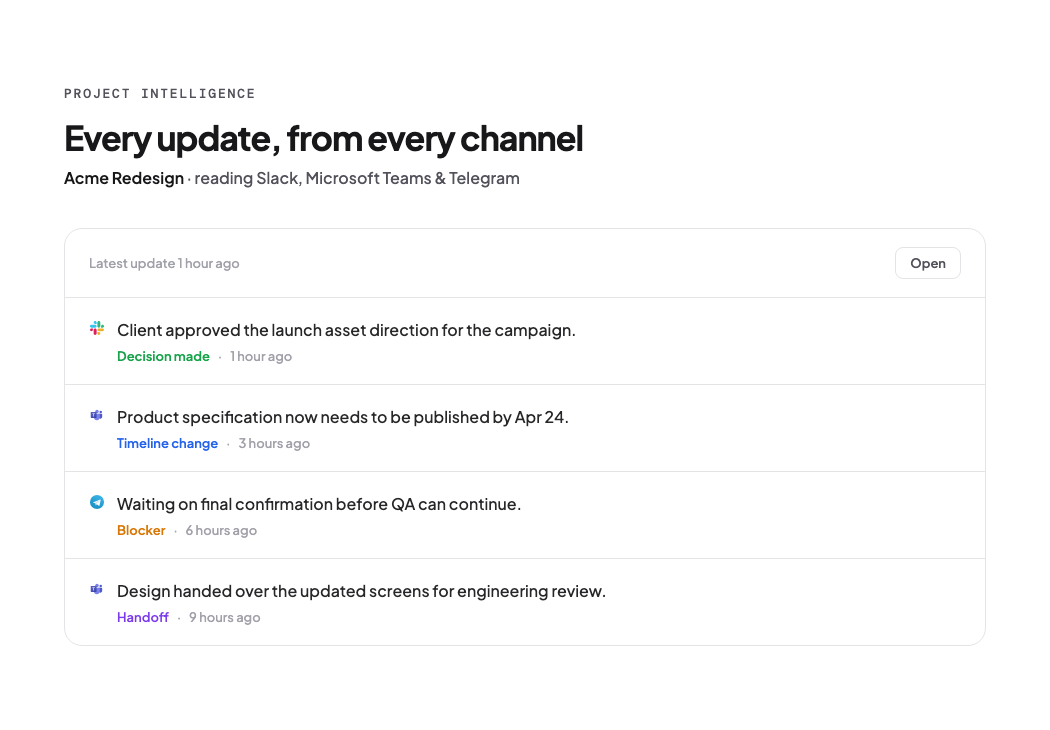
This is where the fix stops being a scheduling exercise and becomes a coordination one. The meetings that are actually expensive — the status sync, the "just checking where things stand," the triage that should have been read — exist because nobody has a trustworthy, current picture of what's happening. When project conversations are scattered across Slack, Teams, Telegram, and WhatsApp, the only way to know where a job stands is to round everyone up and ask. That's the meeting that should have been an update. Project Intelligence from Asa.Team surfaces project updates and blockers straight from the conversations your team already has across Slack, Teams, Telegram, and WhatsApp, so leaders don't chase down updates by scheduling a meeting to ask. When the "where are we?" answer lives in your existing channels instead of a recurring status meeting, the calendar opens up for the work that actually needs a room.
The signals that say your team has crossed the line
If you're trying to diagnose your own calendar, Hubstaff's data points to five concrete signs your team has too many meetings: non-managers spending 20 to 25% of their week or more in meetings; recurring meetings dominating the calendar with little room left for deliberate work; regular collisions with the 9-to-11 AM focus window; meetings that creep beyond normal working hours; and a rise in 50+ hour weeks among managers or client-facing roles. Any one of these on its own might be manageable. Two or more together is a structural problem.
Frequently asked questions
How many meetings per week is too many? For individual contributors, roughly four hours a week (about 10% of work time) is the Hubstaff benchmark; toward 20-30% of a week in meetings — which happens when recurring calls start dominating — is where focus-based work suffers. For managers, around nine hours a week is average, and beyond that is risk.
Is there a maximum number of meetings per day? Three or four meetings isn't inherently too many — the problem is when they're spread across the day and slice the focus block so nothing substantial ever gets done. Distribution matters more than count: 30% of meeting minutes falling outside core hours is a red flag.
What percentage of meetings are a waste of time? In Atlassian's survey of 5,000 knowledge workers, reported by Fortune, meetings were ineffective 72% of the time — meaning roughly three in four could have been a written update. On manual, recurring meetings are the likeliest offenders.
How do you cut meeting load without losing coordination? Protect focus windows, default to async updates outside a defined overlap window for distributed teams, audit recurring meetings quarterly with the "would we create it today?" test, and centralize project status in a shared surface so the check-in doesn't need a meeting to produce it.
The real risk isn't your Monday calendar — it's the thousand small meetings that have become your Monday without anyone deciding to put them there. The fix isn't refusing every invite. It's measuring how your own week stacks against the benchmarks, noticing where the focus windows are getting sliced, and being willing to cut the recurring meeting that nobody would create if it didn't already exist. That's how you get from a calendar that "looks fine" to one that actually leaves room for the work.